
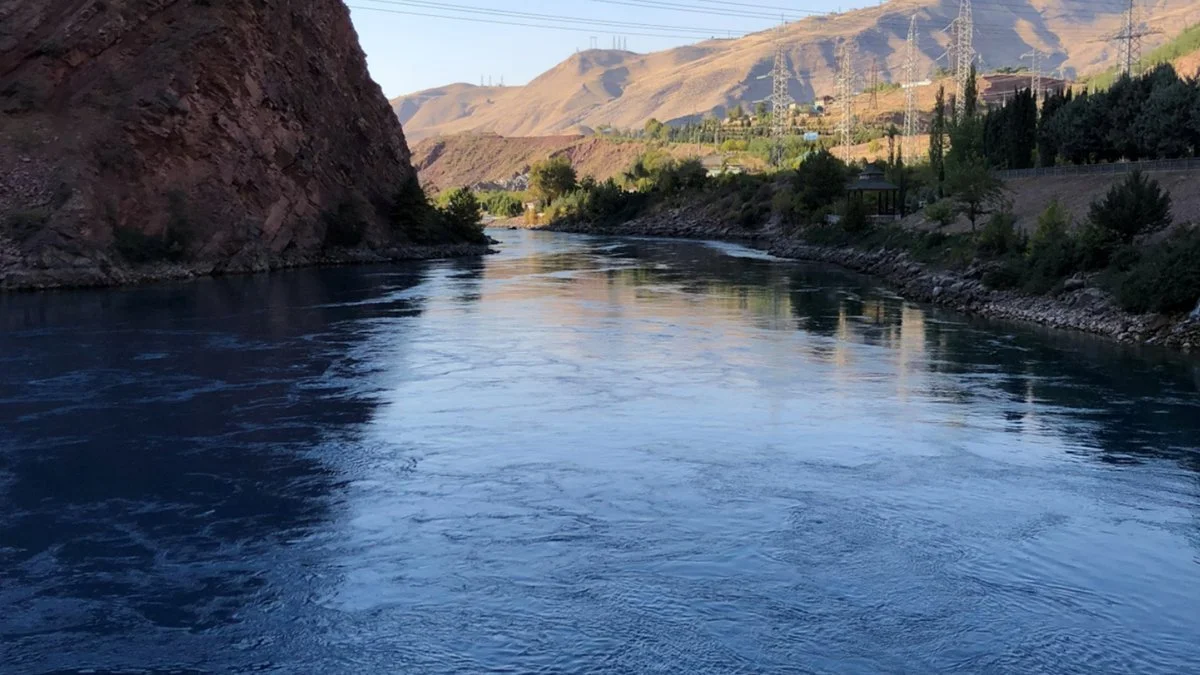
Hydropower Plant Rehabilitation in Ukraine: Asbestos Risks and the Need for Safe Management
Introduction
Ukraine’s hydropower plants are critical to the nation’s energy resilience, especially as the country accelerates reconstruction after years of conflict. In early 2026, the European Bank for Reconstruction and Development (EBRD) agreed to provide approximately €75 million in financing to support the rehabilitation and modernization of the nation’s hydropower facilities, strengthening energy security and boosting generation capacity in Ukraine’s renewable energy sector.
However, beyond the engineering and funding challenges lies a serious health and safety concern: Asbestos-Containing Materials (ACMs) hidden within older hydropower infrastructure. Without thorough identification and careful management during rehabilitation works, asbestos can present life-threatening risks to workers and communities.
Why Hydropower Rehabilitation Matters in Ukraine
Hydropower is a key component of Ukraine’s renewable energy mix and grid stability. State-owned operator Ukrhydroenergo oversees multiple plants along the Dnieper and Dniester rivers, many of which were built decades ago with technology and materials typical of the Soviet era. A significant portion of this infrastructure has been damaged by military actions; for example, the destruction of the Kakhovka Hydroelectric Power Plant in 2023 removed hundreds of megawatts of capacity from the grid.
The EBRD financing package — supported by an EU guarantee and complemented by donor grants — aims to procure critical equipment for repair, modernization, and emergency response capability at these plants. It is also intended to create reliable reserve stocks and support engineering capacity development.
Asbestos Risks in Aging Energy Infrastructure
Where Asbestos May Be Found
Many hydropower plants constructed in the mid-20th century contain asbestos embedded in building and mechanical components due to its historical use for heat resistance, insulation, and durability. Typical asbestos-containing areas include:
Thermal insulation on steam pipes, boilers, and boilers’ feedwater heaters.
Gaskets and joint materials within turbines, pumps, and valves.
Cement products such as roofing, cladding, and underground conduits.
Electrical insulation around wiring and switchgear.
These materials may remain hidden behind walls, under insulation layers, or deep within mechanical assemblies. Unless identified through targeted asbestos surveys prior to demolition or refurbishment, workers can inadvertently disturb them, releasing microscopic fibers into the air.
Health and Safety Impacts
Exposure to asbestos fibers is linked to severe diseases, including mesothelioma, asbestosis, and lung cancer — illnesses that often manifest many years after exposure. Moreover, occupational exposure during hydropower rehabilitation can affect hundreds of workers, from site engineers and technicians to contractors involved in structural upgrades and equipment installation.
Key safety implications include:
Worker health risks: Disturbance during cutting, drilling, or removal activities can release fibers.
Project delays: Noncompliance with health regulations can lead to work stoppages and legal liabilities.
Regulatory challenges: International funders and reconstruction frameworks often require strict compliance with environmental and occupational health standards, including asbestos management.
The Need for Rigorous Safe Management
To mitigate these risks and ensure safe rehabilitation efforts, stakeholders must adopt a comprehensive approach to asbestos management throughout the project lifecycle:
1. Comprehensive Asbestos Surveys
Before any demolition or refurbishment begins, conduct detailed surveys to locate and identify ACMs throughout the plants. These surveys should adhere to international standards such as those set by IFC, UK HSE, and WHO guidelines.
2. Asbestos Management Plans
Develop clear asbestos management plans that outline risk control measures, work sequencing, health monitoring, and emergency response procedures.
3. Engage Accredited Experts
Engage experienced asbestos consultants and licensed removal specialists to ensure accurate identification, safe removal, and compliant disposal of ACMs.
4. Worker Training and Protection
Provide industry-standard training on asbestos hazards and proper personal protective equipment (PPE) for workers engaged in risky tasks.
5. Adherence to Funding Requirements
International financing frameworks — such as those supporting EBRD loans — often include environmental, social, and governance (ESG) requirements. Proper asbestos risk management ensures compliance with these criteria, safeguarding funding continuity.
Conclusion
The reconstruction and modernization of Ukraine’s hydropower plants are vital for energy security and sustainable growth. Nevertheless, the presence of asbestos in older infrastructure presents a hidden but serious health hazard. If not managed proactively, asbestos exposure can undermine worker safety, disrupt project timelines, and jeopardize compliance with international funding and safety standards.
By integrating rigorous asbestos surveys, expert management plans, and strict safety protocols into rehabilitation programs, stakeholders can protect workers’ health, ensure project success, and support Ukraine’s long-term recovery.
If you are involved in hydropower rehabilitation, rehabilitation planning, or infrastructure investment — don’t overlook asbestos risk. Partner with qualified asbestos consultancy and industrial hygiene specialists today to ensure safe, compliant, and successful project delivery.
Should you have any Asbestos related concerns, contact us to see how Anthesis Consulting Middle East can help you:
Charles Faulkner (Head of Environment, Health and Safety, and Asbestos Team Leader)
Phone: +971 (0) 50 5541 320
Email: asbestos@anthesisgroup.com